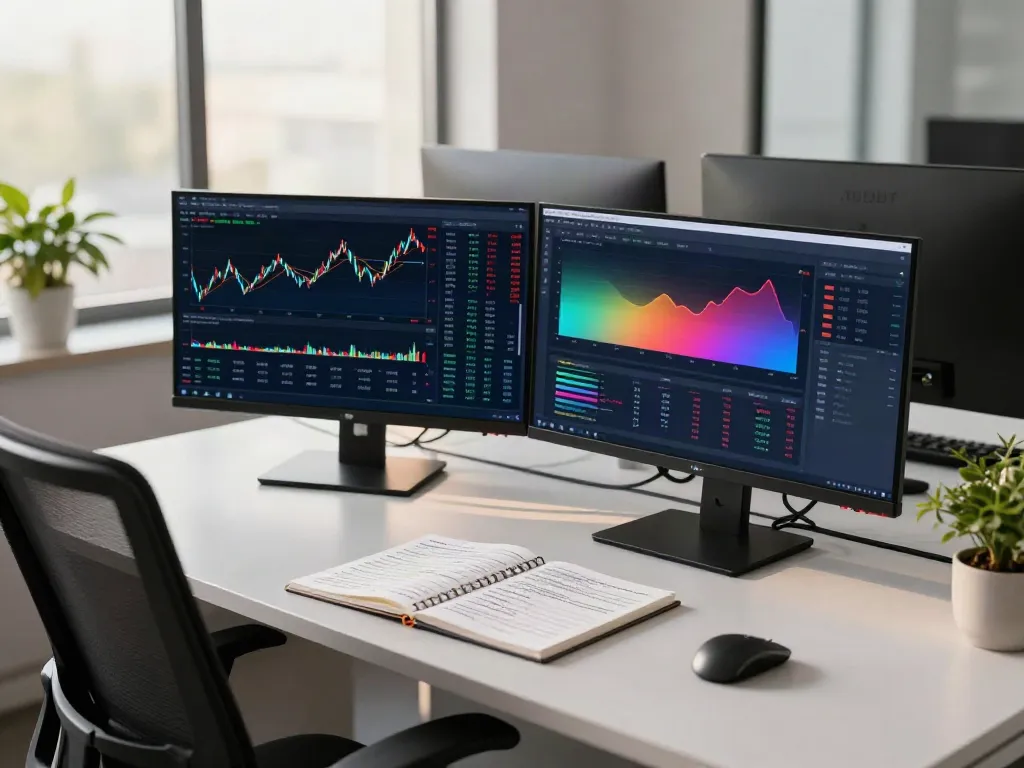
Understanding Backtesting in Cryptocurrency Trading
Backtesting is a critical process in the world of cryptocurrency trading, leveraging historical market data to evaluate the effectiveness of trading strategies. It empowers traders to simulate how a strategy would have performed in the past, thereby providing valuable insights and improving decision-making moving forward. The integration of blockchain technology into financial services has significantly transformed traditional investment methods, making it crucial for traders to understand how to effectively backtest their strategies. When exploring options, how to backtest becomes an integral part of the quantitative trading lifecycle.
What is Backtesting?
Backtesting refers to the practice of testing a trading strategy against historical data to deduce its potential viability. It allows traders to apply their strategies to historical market movements and assess how well they would have performed. In cryptocurrency trading, this involves analyzing past price actions across various exchanges and markets, which informs decisions on future trades. By evaluating performance metrics such as returns, risk profile, and drawdowns, traders gain confidence in their methodologies.
The Importance of Data Accuracy
Accuracy in backtesting data is essential; traders rely on precise historical data to gauge performance. In the realm of cryptocurrencies, where volatility is prevalent and prices can fluctuate dramatically, high-quality data becomes even more critical. Inaccurate or incomplete datasets can lead to flawed results, ultimately jeopardizing trading strategies. Utilizing reliable data sources and ensuring that the data matches the conditions of live trading environments is fundamental for trustworthy backtests.
Steps to Prepare for Backtesting
- Define Your Strategy: Clearly outline the rules for entering and exiting trades, including parameters related to risk management.
- Gather Historical Data: Obtain comprehensive datasets that include historical prices, volumes, and order books, catering to the specific assets you intend to trade.
- Choose a Backtesting Framework: Select a software platform that supports your coding requirements, whether Python or Java, and is compatible with trading strategies.
- Set Up Your Environment: Ensure that your local or cloud-based computing environment can accommodate the necessary libraries and tools for backtesting.
- Run Preliminary Tests: Execute smaller tests before full backtests to refine strategies and mitigate errors.
Getting Started with Backtesting Tools
Choosing the Right Software
The choice of backtesting software is pivotal in determining the ease of use and comprehensiveness of evaluation. While many platforms exist, viewers should consider functionality alongside the specific needs of their strategies. By leveraging well-known frameworks like Backtrader and VectorBT, traders can seamlessly integrate backtesting with their existing data sources.
Integrating APIs for Live Data
Accessing live data is crucial for gauging the real-world applicability of any strategy. APIs such as iTick offer robust solutions to connect traders directly to market data in real time, enabling a straightforward transition from backtesting to live trading. Utilizing an API that provides consistent data formats simplifies strategy development and execution.
Setting Up Your Environment in Python
Python is a favored programming language for backtesting due to its simplicity and vast library ecosystem. Traders can utilize libraries such as Pandas and NumPy alongside backtesting frameworks to manage data easily, analyze results, and simulate trading strategies efficiently.
Executing Your Backtest in Quant Trading
Writing Your First Backtest Script
Creating a backtest script involves coding your defined strategy into a code structure that the backtesting software can interpret. The script should include functions for data input, handling trades, and calculating performance metrics. A typical backtest script in Python may involve the use of functions to simulate order placements based on historical signals, thus mimicking real-time trading behavior.
Common Mistakes to Avoid
When backtesting, it’s essential to avoid common pitfalls that may invalidate results. One key mistake is overfitting a strategy to cater exclusively to past data—this can lead to poor performance in live trading. Additionally, neglecting transaction costs, slippage, and market conditions can result in overly optimistic performance calculations.
Interpreting Backtest Results
After executing a backtest, the results need careful interpretation. Key performance indicators (KPIs) to assess include total return, maximum drawdown, Sharpe ratio, and sortino ratio. Understanding these metrics provides comprehensive insights into the risks and rewards associated with the tested strategy.
Advanced Backtesting Strategies
Strategy Optimization Techniques
Optimizing a trading strategy involves fine-tuning parameters to maximize performance while still retaining robust performance metrics. Techniques may include grid search, genetic algorithms, and walk-forward testing, allowing traders to refine their strategies without compromising their real-world viability.
Multi-Market Analysis
Many traders analyze multiple markets to diversify their portfolios and hedge against volatility. By backtesting strategies across various assets such as cryptocurrencies, stocks, and forex, traders gain a holistic view of performance and market dynamics. Integrating analysis tools to compare strategies across these markets can reveal insightful correlations.
Risk Management Practices
Effective risk management is essential in quant trading. Traders should establish guidelines for position sizing, stop-loss placements, and take-profit methods during backtesting. By simulating potential negative outcomes, the backtest can implement risk-adjusted strategies, identifying robustness in the proposed trading methods.
Security and Compliance in Backtesting
Protecting Your Trading Data
Data security and integrity are paramount when dealing with cryptocurrency trading. Traders should employ encrypted storage solutions and secure data transfer methods. Regular audits of code to ensure no vulnerabilities exist against attacks can help maintain data fidelity.
Understanding Regulatory Compliance
As the cryptocurrency landscape evolves, so do the regulatory frameworks governing trading practices. Understanding compliance requirements is vital for all trading strategies, especially in light of evolving regulations such as SEC guidelines and AML/KYC mandates. Being compliant helps mitigate risks associated with legal repercussions.
Staying Updated with Tax Implications in 2026
Tax implications for cryptocurrency transactions are increasingly complex as governments look to regulate this asset class. Staying informed about potential changes and ensuring correct reporting is crucial for traders engaging in backtesting and subsequent live trading practices.