Introduction to TradingView and Its Core Features
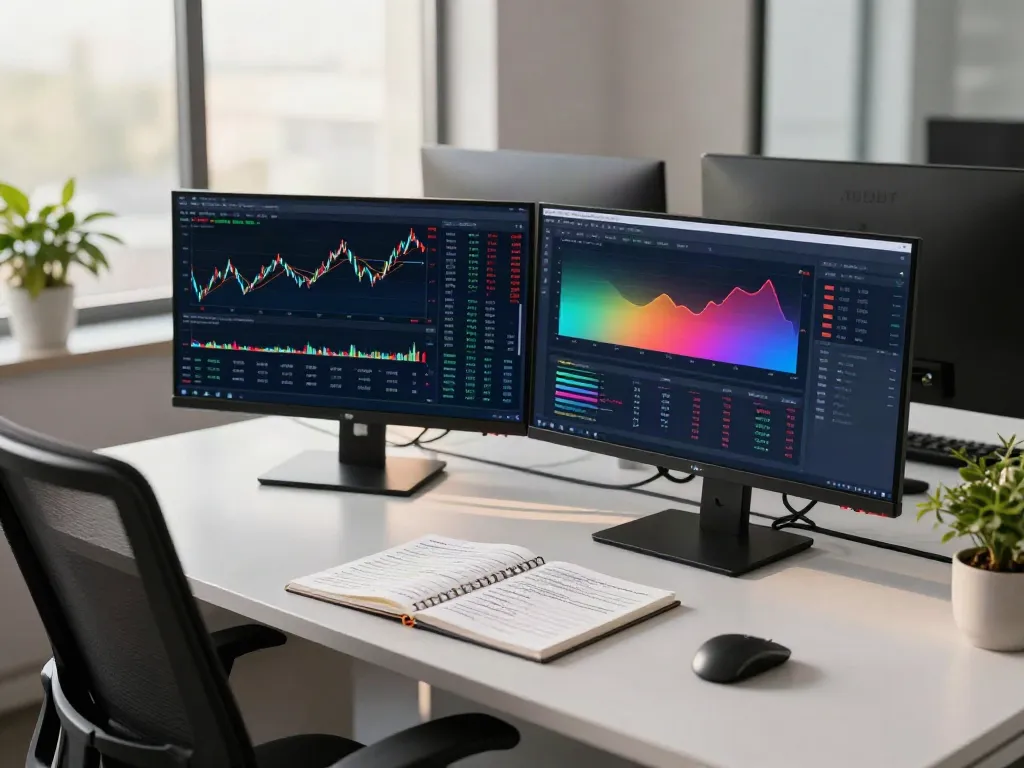
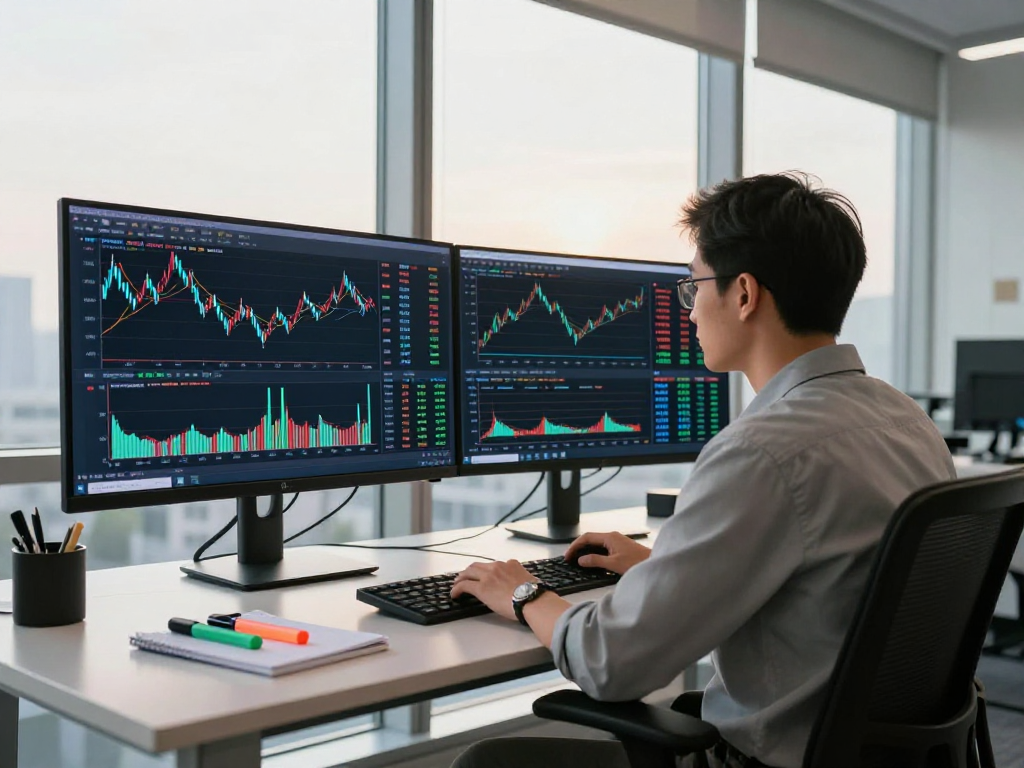
In the rapidly evolving landscape of financial markets, traders and investors require sophisticated tools to analyze data, interpret trends, and execute trades efficiently. TradingView has emerged as a leading platform that not only meets these needs but exceeds expectations with its robust features and user-friendly interface. Designed to cater to both novice traders and seasoned professionals, TradingView offers a comprehensive suite of tools that empower users to conduct in-depth market analysis and make informed decisions. When exploring options, TradingView provides comprehensive insights into various markets across the globe, making it an indispensable asset for anyone involved in trading.
What is TradingView?
TradingView is a cloud-based platform that provides real-time data and analytics for a wide array of financial markets, including stocks, currencies, commodities, and cryptocurrencies. Its user-friendly interface allows traders to access professional-grade charting tools, perform technical analysis, and share insights with a global community of traders. The platform stands out due to its extensive library of user-generated content, scripts, and strategies, making it a hub for social trading and collaborative learning.
Main Capabilities of TradingView
The capabilities of TradingView are vast, encompassing several key functionalities that enhance the trading experience. Below are some of the main features:
- Advanced Charting Tools: TradingView offers over 100 chart types along with various time frames, allowing traders to customize their analysis effectively.
- Technical Indicators: The platform supports numerous built-in indicators and also allows users to create their custom indicators using Pine Script.
- Alerts and Notifications: Users can set up price alerts and condition-based notifications to stay informed without constantly monitoring the markets.
- Market Scanners: The built-in market scanner helps traders identify trading opportunities based on specific criteria they set.
- Social Network for Traders: The platform enables users to share ideas, charts, and analysis with a community of traders, fostering an environment of collaborative learning.
Why Choose TradingView for Market Analysis?
Choosing TradingView for market analysis is a decision backed by its technical efficacy and community-driven design. Its ability to provide users with the tools necessary for detailed analysis and timely execution of trades makes it a preferred choice among traders. Furthermore, the platform's regular updates and enhancements ensure that users have access to cutting-edge technology to aid their trading strategies.
Deep Dive into TradingView Chart Analysis Functions
Understanding Chart Types and Indicators
One of the standout features of TradingView is its variety of chart types and technical indicators. From traditional candlestick charts to advanced Renko or Point & Figure charts, users can select the visualization that best suits their trading style. Additionally, TradingView offers a plethora of indicators such as moving averages, RSI, Bollinger Bands, and many others, which can be easily integrated into charts for enhanced analysis.
Multi-timeframe Analysis with TradingView
TradingView excels at facilitating multi-timeframe analysis, a critical strategy employed by many successful traders. By allowing users to view multiple timeframes simultaneously, traders can understand the overall trend while identifying entry and exit points on shorter timeframes. This capability can significantly influence trade timing and strategy effectiveness.
Leveraging Drawing Tools for Technical Analysis
The platform includes an array of drawing tools that enhance technical analysis. Traders can annotate charts with trend lines, Fibonacci retracements, and custom shapes to highlight key levels of support and resistance. These tools are essential for visualizing potential market movements and validating trading hypotheses.
Setting Up Alerts for Effective Trading
Types of Alerts Available on TradingView
Alerts in TradingView can be tailored to meet diverse trading strategies. Users can set up price alerts that notify them when an asset reaches a predetermined price level, as well as condition-based alerts that trigger when specific technical conditions are met. This flexibility enables traders to respond promptly to market changes.
Configuring Alerts to Optimize Your Strategy
Configuring alerts effectively involves understanding personal trading strategies and market conditions. Traders can customize alerts to receive notifications via SMS, email, or through the TradingView app, allowing them to make timely decisions regardless of their location.
Using Alerts to Minimize Time Spent Monitoring Markets
One of the key benefits of TradingView’s alerts is their ability to minimize the time spent monitoring markets. By automating the alert process, traders can focus more on analysis and strategy development while remaining informed about significant market movements. This feature is particularly beneficial for those who may not be able to monitor markets continuously.
Cross-Device Functionality and User Experience
Using TradingView on Different Devices
TradingView is designed to provide seamless access across various devices, including desktop, tablet, and mobile. This cross-device functionality ensures that users can stay connected to the markets and their trading activities at all times. Whether using a desktop for detailed analysis or a mobile device for quick checks, the user experience remains consistent.
Synchronizing Across Platforms for Seamless Trading
Account synchronization across platforms is another significant advantage of TradingView. Users can switch between devices without losing their place or settings, making it convenient to conduct analysis on the go. This functionality is particularly advantageous for traders who need to transition between multiple work environments.
Comparing Desktop vs. Mobile Experience
While both desktop and mobile versions of TradingView offer powerful tools, the desktop experience is generally preferred for intensive trading sessions. The larger screen real estate allows for multi-monitor setups and more detailed charting, whereas the mobile version excels in providing quick access and alerts on the go. Ultimately, the choice depends on the user’s individual trading habits.
Pricing Plans and Accessibility of TradingView
Free vs. Paid Plans: What You Need to Know
TradingView offers various pricing plans to accommodate different user needs. The free plan grants users access to essential features, including real-time data for select markets and a limited number of indicators. Paid plans introduce advanced features, including additional indicators, alerts, and enhanced customer support, making them more suitable for serious traders.
Understanding Feature Limitations by Plan
Each pricing tier comes with specific feature limitations. For example, the free plan limits the number of indicators you can use simultaneously, while higher-tier plans allow more customization and enhanced functionality. Understanding these limitations is crucial for users when choosing the plan that best suits their trading strategy.
Is TradingView Suitable for Your Trading Style?
Determining whether TradingView is suitable for an individual’s trading style depends on several factors, including market focus, trading frequency, and analytical requirements. With its diverse tools and functionalities, TradingView is adaptable to various trading styles, from scalping and day trading to long-term investing.
What are the benefits of using TradingView alerts?
TradingView alerts provide numerous benefits, such as minimizing the time spent eyeing charts and enabling swift decision-making. The ability to set specific conditions for alerts ensures that traders can tailor notifications to their strategies, helping them stay proactive in their trading efforts.
How does TradingView support multi-device usage?
The platform's cloud-based architecture allows for seamless access across devices. Users can maintain their settings, layouts, and alerts regardless of whether they are on a desktop or mobile device, providing a consistent experience that enhances trading efficiency.
What are the key differences between free and paid plans?
The primary differences between free and paid plans lie in the number of indicators available, the level of customer support, and the access to advanced features like additional alerts and historical data. Serious traders will likely find the paid options more beneficial for their needs, while casual users may be satisfied with the free plan.
How to set up TradingView for beginners?
Beginners can set up TradingView by creating a free account and familiarizing themselves with the interface. Starting with basic charts and simple indicators is advisable, gradually exploring more advanced features as they gain confidence in their trading strategies. Utilizing community content and tutorials can further enhance the learning process.
What trading strategies can be implemented with TradingView?
TradingView supports a variety of trading strategies, including trend following, breakout trading, and swing trading. Its extensive technical indicators and charting capabilities allow traders to customize their approach based on market conditions and personal preferences.