Understanding Improv Fundamentals
Improv, short for improvisational theater, is an art form in which most of the performance is created spontaneously by the performers. It fosters creativity, collaboration, and communication, making it critical in various settings, including the workplace, classrooms, and personal development. For those who are new, exploring the art of improv for beginners can seem daunting, but it offers a treasure trove of benefits, from enhancing social skills to boosting confidence. In this guide, we’ll delve into the fundamental aspects of improv, helping you understand its importance and how to embark on your journey in this vibrant art form.
What is Improv and Its Importance?
Improv is a performing art where scenes and dialogues are created on the spot, without a script. The essence lies in spontaneity, creativity, and teamwork. It’s not just about acting; improv can enhance various life skills. In an era where communication and adaptability are paramount, the ability to think on your feet is invaluable. It encourages participants to be present, to listen actively, and to respond in real-time, fostering a mindset that is both resilient and open to change.
Key Principles of Improv for Beginners
Understanding the core principles of improv is essential. Here are a few key tenets that beginners should embrace:
- Yes, and…: This foundational principle encourages acceptance and building upon others' ideas, fostering collaboration.
- Stay in the moment: Focus on the present and the unfolding scene rather than pre-planning dialogue or actions.
- Embrace mistakes: In improv, mistakes can lead to unexpected humor and creativity, so it's crucial to welcome them.
Common Misconceptions About Improv
Many believe that improv is solely for comedians or that you need prior acting experience to participate. This could not be further from the truth. Improv is accessible to anyone who wishes to express creativity and improve their interpersonal skills. Moreover, the art of improv is not about being funny; it’s about being authentic and engaged in the moment.
Setting Up Your Creative Space
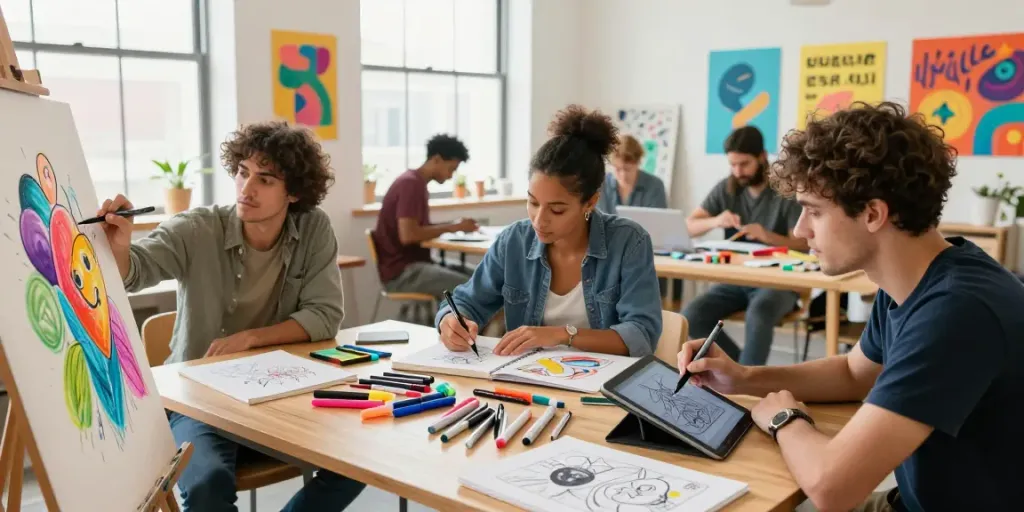
Creating the right environment can significantly influence your improvisational experience. Whether you're practicing at home or in a group setting, a conducive creative space enhances focus and collaboration.
Creating an Inviting Environment for Improv
When setting up your space, consider the following elements:
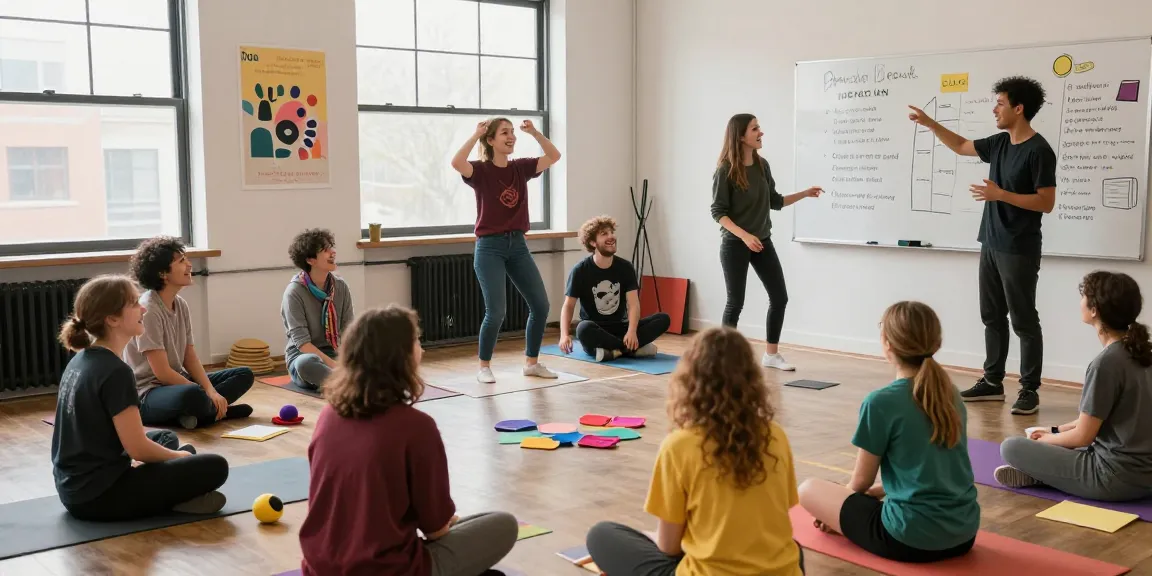
- Comfort: Ensure seating is comfortable, arrange chairs in a circle or semi-circle to promote interaction.
- Lighting: Use natural light where possible, or soft lighting to create a warm atmosphere.
- Minimize distractions: Choose a quiet location where participants can fully engage without interruptions.
Essential Props and Tools for Beginners
While improv can be done with no props, having some basic items can enhance creativity and fun. Consider the following:
- Costumes or hats for character work.
- Random objects to inspire scenes and narratives.
- Writing materials for jotting down ideas and reflections.
Tips for Effective Group Dynamics
Teamwork is at the heart of improv. Here are some tips to foster a supportive group dynamic:
- Practice active listening to understand the perspectives of others.
- Encourage a positive atmosphere by giving constructive feedback.
- Engage in regular team-building exercises to build trust and rapport.
Basic Improv Techniques to Master
As a beginner, mastering some basic techniques can significantly enrich your improv experience. These methods will form the foundation upon which you can build your skills.
Improvisational Games to Kickstart Creativity
Games are not only fun; they are essential for warming up and fostering creativity. Some popular improv games include:
- Zip, Zap, Zop: A quick-paced game that enhances focus and energy.
- Word Association: Helps in developing quick thinking and creativity.
- One Word Story: Encourages group collaboration to create a narrative.
Building Confidence Through Practice
Building confidence is a gradual process. Regular practice, even in low-pressure settings, can help you become more comfortable. Recording your sessions can also provide valuable insights into your progress.
Listening and Responding: The Core of Improv
One of the most critical skills in improv is the ability to listen. Effective communication relies on understanding others' cues and responding appropriately, which is essential for creating engaging scenes.
Advanced Improv Skills for Growth
Once you’ve mastered the basics, you can start exploring advanced techniques that will enhance your performance and personal growth.
Developing Character and Storytelling Skills
Creating memorable characters and compelling narratives can elevate your improv. Focus on:
- Character backstory: Develop rich backgrounds to inform your character's decisions.
- Story structure: Understand basic narrative arcs to create engaging scenes.
Integrating Feedback for Continuous Improvement
Feedback is crucial for growth in improv. Actively seek input from peers and use it constructively to refine your skills and enhance your performance.
Exploring Various Improv Styles and Formats
Improv comes in various styles, from short-form games to long-form storytelling. Experimenting with different formats can help you find your unique voice and style in improv.
Future Trends in Improv Education
As we look toward 2026 and beyond, several trends are shaping the future of improv education, especially as it becomes more accessible.
The Rise of Online Improv Classes and Resources
With advancements in technology, online improv classes are becoming a popular way for individuals to learn from the comfort of their homes. Virtual workshops and classes will likely continue to grow in accessibility and variety.
How Improv is Evolving in the Creative Industries
Improv is finding its way into various sectors, including corporate training, therapeutic settings, and educational contexts. Its ability to improve communication and foster team collaboration is increasingly recognized as valuable in professional environments.
Predicted Developments in Improv Practices for 2026
Looking ahead, we can expect innovation in techniques and methodologies, including:
- Greater incorporation of technology, like virtual reality to simulate live performances.
- Increased focus on inclusivity in improv classes, ensuring diverse voices and expressions.
Frequently Asked Questions
What are the benefits of taking an improv class?
Improv classes help build confidence, improve communication skills, and foster creativity. They provide a supportive environment to practice spontaneity and develop social skills.
How can beginners overcome stage fright?
Stage fright is common among beginners. It's helpful to practice relaxation techniques and gradually expose yourself to performance situations. Starting with smaller groups can also ease anxiety.
Are there different types of improv?
Yes, there are several types of improv, including short-form (games and sketches) and long-form (extended scenes and narratives). Each format offers unique challenges and opportunities for creativity.
What materials should I bring to an improv class?
It’s advisable to bring a notebook and pen for jotting down ideas. If the class allows for it, props like hats or costumes can add to the fun.
Can improv help with public speaking skills?
Absolutely! Improv enhances your ability to think on your feet and communicate clearly, making it an excellent training ground for public speaking.. Additionally, Online improv classes for adults provides further details.