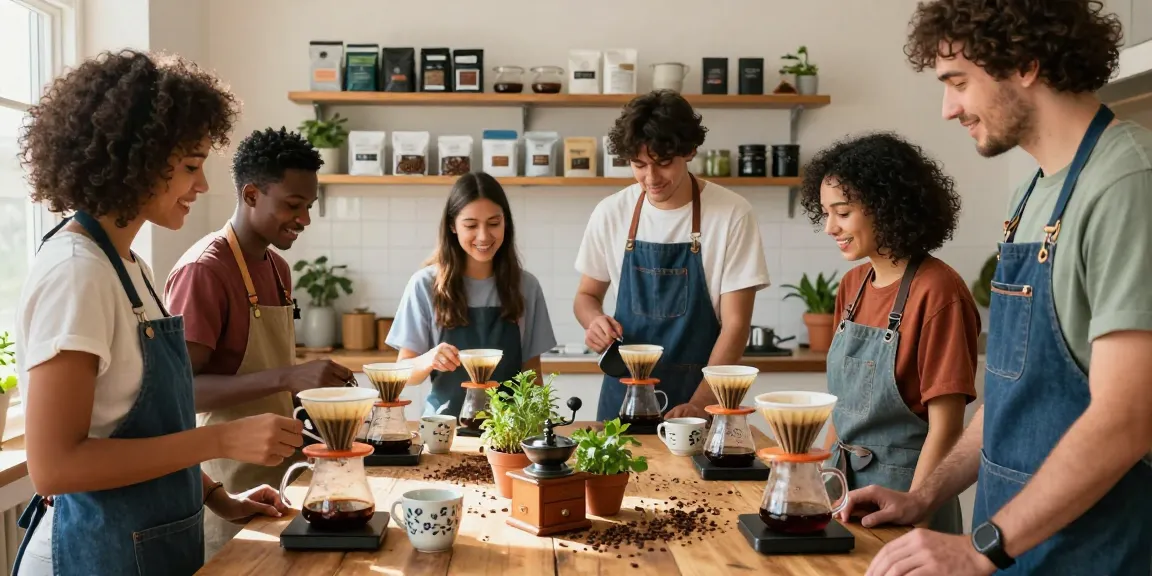
Understanding the Art of Pour-Over Coffee
Pour-over coffee is not just a brewing method; it’s a ritual that elevates the coffee experience to new heights. By controlling every aspect of the brewing process, enthusiasts can create a cup that is rich and full of flavor. This manual technique, coupled with quality materials like Ebb reusable filters sourced straight from sustainable farms, allows coffee lovers to enjoy their brews with an eco-conscious mindset. When exploring options, www.ebbfilter.com provides comprehensive insights into how these filters can enhance your brewing experience.
What is Pour-Over Coffee?
Pour-over coffee is a manual brewing method that involves pouring hot water over coffee grounds in a filter. The water flows through the grounds, extracting flavors and aromas, then drips into a carafe or cup below. This method emphasizes transparency, allowing coffee drinkers to appreciate the subtle flavors of different beans. The simplicity of pour-over coffee makes it accessible for both novice and experienced brewers.
Benefits of Using Ebb Reusable Filters
Ebb reusable filters are crafted from upcycled denim, offering an eco-friendly alternative to single-use filters. By choosing Ebb, consumers support sustainable farming practices and minimize waste. These filters not only contribute to a greener planet but also enhance the flavor profile of the coffee. They allow the coffee oils to pass through, creating a richer taste that disposable filters often block.
Key Equipment for Perfect Brews
- Gooseneck Kettle: Essential for precise pouring control.
- Scale: Helps measure coffee and water accurately.
- Grinder: A burr grinder ensures a consistent grind size for optimal extraction.
- Filter Holder: A quality pour-over brewer, like a Hario V60 or Chemex, complements the Ebb filters perfectly.
Choosing the Right Coffee for Your Brew
The foundation of exceptional pour-over coffee lies in the choice of coffee beans. Understanding the nuances of different varieties and their origins can dramatically affect the outcome of your brew. For the best experience, consider freshness, roast level, and origin. Specialty coffee roasters and local farms often provide beans that are both fresh and flavorful, setting the stage for a remarkable cup of coffee.
Understanding Coffee Beans and Origin
Coffee beans are typically categorized by their region of origin, each lending distinct flavors. For instance, Ethiopian beans are known for their fruity and floral notes, while Brazilian beans often provide a nutty and chocolatey profile. Exploring these origins can lead you to discover your personal preferences, enabling you to tailor your brews to suit your taste.
The Impact of Grind Size on Flavor
Grind size plays a crucial role in the extraction process during brewing. A finer grind increases the surface area, leading to quicker extraction and potentially bitter flavors if over-extracted. Conversely, a coarser grind may require a longer brewing time and can result in under-extraction, leading to sour notes. Finding the right grind size for your beans and brewing method is key to achieving balance.
How to Measure Coffee and Water Ratio
Using a standard coffee-to-water ratio can streamline the brewing process. A common starting point is 1:15 (1 gram of coffee to 15 grams of water). However, this can be adjusted based on personal preference; some might prefer a stronger brew, opting for a 1:12 ratio. Utilizing a scale ensures accuracy, yielding consistent results with each cup.
Mastering the Pour-Over Technique
The pour-over technique is an art form that requires practice and precision. Mastering it can significantly improve your coffee quality, enhancing both flavor and aroma.
Step-by-Step Brewing Process
- Begin with Fresh Beans: Grind your coffee just before brewing for maximum freshness.
- Prepare Your Equipment: Set up your scale, gooseneck kettle, and filter.
- Measure Your Water: Heat water to around 200°F (93°C) for optimal extraction.
- Bloom the Coffee: Add a small amount of hot water to the coffee grounds to allow carbon dioxide to escape.
- Pour Gradually: Slowly pour water in a circular motion, allowing time for the coffee to extract.
- Enjoy: Once all the water has passed through, savor your perfectly brewed coffee.
Common Mistakes and How to Avoid Them
One common mistake is rushing the brewing process. Allowing enough time for each step ensures the best extraction. Additionally, not using fresh coffee can lead to dull flavors. Always aim to use beans that have been roasted within the last few weeks for optimal taste.
Experimenting with Techniques for Unique Flavors
Don't hesitate to experiment with different pouring techniques, water temperatures, and coffee varieties. Altering these variables can lead to unique flavor profiles that can elevate your daily coffee experience. Embrace the journey of discovery, and you might stumble upon your new favorite brew.
Enhancing Your Coffee Experience
To elevate your coffee experience, consider pairing it with complementary foods or hosting tasting events that celebrate the nuances of flavor.
Pairing Foods with Pour-Over Coffee
Coffee pairs beautifully with various foods. For instance, chocolate pastries enhance the rich notes of a darker roast, while light, fruity coffees are complemented by citrus-infused baked goods. Experiment with different pairings to discover what resonates best with your palate.
Tea vs. Coffee: Understanding Flavor Profiles
While coffee enthusiasts often have a favored brew, tea also offers a vast spectrum of flavors. Understanding these differences can enrich your appreciation for both beverages. For instance, green teas are often delicate and grassy, whereas coffee can be bold and robust, providing a diverse tasting experience.
Creating a Coffee Tasting Event at Home
Hosting a coffee tasting event allows you to share your love for coffee with friends. Select a few different beans from various origins and brew them side by side. Encourage guests to note the flavor profiles, aromas, and textures of each. This interactive experience not only educates but also fosters a greater appreciation for the art of coffee brewing.
Future Trends in Coffee Brewing and Sustainability
The coffee industry is evolving, with sustainability at the forefront of many conversations. As consumers become more environmentally conscious, the demand for eco-friendly practices continues to rise.
Innovations in Eco-Friendly Coffee Practices
Innovations such as compostable coffee pods and upcycled materials for brewing accessories are becoming more prevalent. Brands that prioritize sustainability, like Ebb with their reusable filters, are setting an example for the industry. These practices not only reduce waste but also promote a more sustainable coffee culture.
The Rise of Sustainable Coffee Culture
As awareness of climate change and environmental issues increases, the demand for sustainably sourced coffee has surged. Consumers are looking for transparency in sourcing and are willing to support brands that prioritize ethical practices. This trend is shaping the future of the coffee industry, with more farms adopting sustainable methods.
Predictions for Coffee Enjoyment in 2026 and Beyond
By 2026, we can expect advancements in coffee brewing technology and sustainable practices to redefine our coffee experiences. Hybrid brewing methods that combine traditional and modern techniques may become mainstream, offering a plethora of options for coffee lovers. Furthermore, as sustainability continues to be a priority, expect more brands like Ebb to lead the charge in eco-conscious innovations.
What are Ebb filters made of?
Ebb filters are made from upcycled denim, making them both durable and environmentally friendly. This material allows for excellent water flow while retaining the coffee oils that enhance flavor.
How do I clean my reusable coffee filter?
To clean your Ebb filter, simply rinse it with warm water after each use and allow it to air dry. For deeper cleaning, you can use mild soap and let it soak briefly before rinsing thoroughly.
Can I use Ebb filters for other brewing methods?
Yes, Ebb filters are versatile and can be used in various brewing methods, including French press and cold brew. Their durability makes them an excellent choice for all coffee aficionados.
What makes pour-over different from other brewing methods?
Pour-over coffee emphasizes control over the brewing process. Unlike automatic machines, this method allows for attention to detail, enabling the brewer to adjust variables such as water temperature, pour technique, and timing for optimal flavor extraction.
How can I host a successful coffee tasting?
To host a successful coffee tasting, provide a selection of diverse beans, brew them methodically, and encourage attendees to share their notes on flavor and aroma. Prepare some light snacks that complement the coffee, and create a relaxed environment for discussion and exploration.