Understanding CNC Machining Services
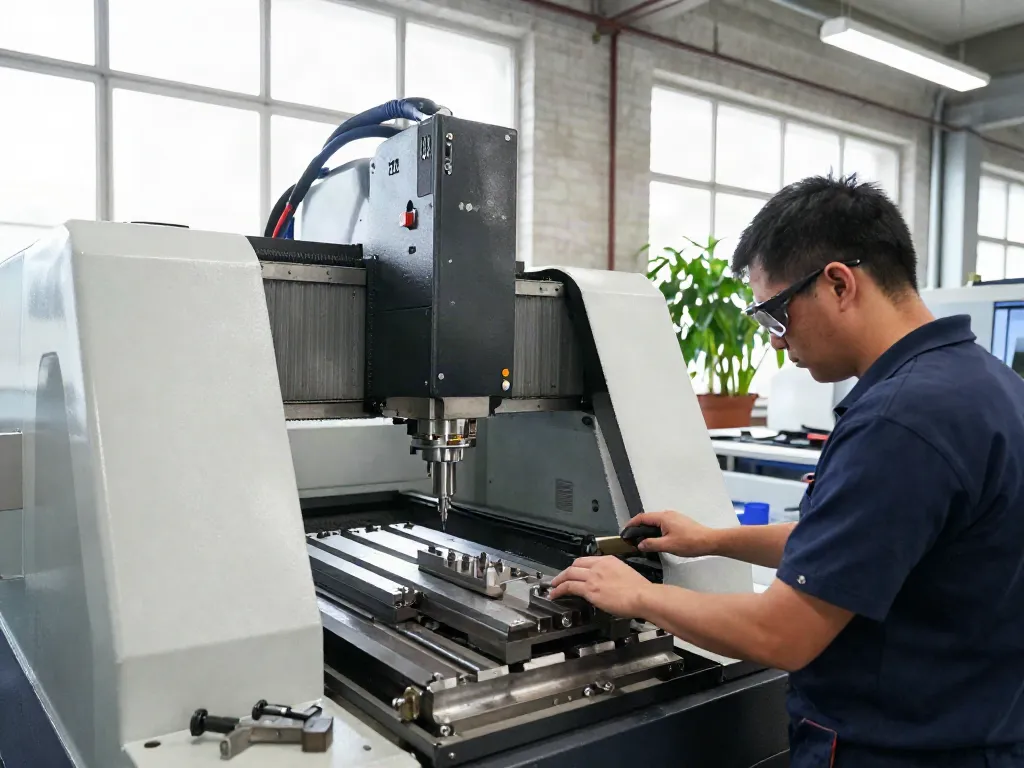
CNC (Computer Numerical Control) machining is a manufacturing process that utilizes computer software to control machine tools. This technology allows for the precise fabrication of parts and components from various materials, including metals, plastics, and composites. Since its inception, CNC machining has revolutionized manufacturing, providing unmatched precision and repeatability. As industries evolve, the demand for cnc machining parts manufacturer services has surged, driven by the need for high-quality components that can withstand stringent tolerances and performance expectations.
What is CNC Machining?
CNC machining is a subtractive manufacturing process that removes material from a solid block to create the desired shape. The process is facilitated by a computer program that dictates the movement of cutting tools based on pre-defined specifications. The primary methods of CNC machining include:
- CNC Milling: This involves rotating a cutting tool to remove material as the workpiece is fed into it.
- CNC Turning: This process rotates the workpiece against a stationary cutting tool to achieve cylindrical shapes.
- CNC Electrical Discharge Machining (EDM): This method uses electrical discharges to erode material, perfect for intricate designs.
- Multi-Axis Machining: This allows for more complex geometries by moving the cutting tool in multiple directions simultaneously.
Key Benefits of CNC Machining Parts
The advantages of CNC machining are vast and include:
- High Precision: CNC machines can produce parts to a tolerance of 0.005mm, making them ideal for applications requiring rigid specifications.
- Automation: Once programmed, CNC machines can operate autonomously, reducing the need for manual intervention and decreasing labor costs.
- Versatility: CNC machining can work with a myriad of materials, adapting to various production needs.
- Scalability: Whether manufacturing a single prototype or thousands of parts, CNC machining can easily scale production according to demand.
Applications in Various Industries
CNC machining is an integral part of numerous industries, including:
- Aerospace: Components like brackets, housings, and other intricate parts are produced with high precision to ensure aircraft safety.
- Automotive: Automotive parts such as engine components and transmission casings are often manufactured using CNC processes for reliability and durability.
- Medical: Custom implants and surgical instruments are produced with precision to ensure patient safety and performance.
- Electronics: Enclosures and connectors are manufactured using CNC machining to meet the strict requirements of electronic components.
Why Choose a Reliable CNC Machining Parts Manufacturer?
In selecting a CNC machining parts manufacturer, quality assurance and reliability are paramount. A trustworthy manufacturer not only ensures that parts meet specifications but also maintains transparency and communication throughout the production process.
Importance of Quality Assurance
Quality assurance in CNC machining involves rigorous testing and inspection processes to ensure that each part meets the required standards. This may include:
- Dimensional Inspection: Verifying that all specifications are adhered to.
- Material Testing: Ensuring the materials used meet industry standards and specifications.
- Process Control: Monitoring and adjusting the machining processes to enhance quality and performance.
Factors to Consider When Selecting a Manufacturer
Several factors should guide your choice in CNC machining manufacturers:
- Experience: Companies with years in the industry often provide greater expertise and insight.
- Capabilities: Assess if the manufacturer can handle the specific materials and processes required for your project.
- Technology: Modern CNC machinery offers more advanced capabilities; choose a manufacturer that leverages the latest technology.
Long-term Relationships and Customer Service
Building a long-term relationship with your CNC machining parts manufacturer can yield benefits such as continuous improvements, loyalty discounts, and preferential terms for future projects. Opt for manufacturers that prioritize customer service and foster open lines of communication.
Innovations and Trends in CNC Machining (2026 and Beyond)
The CNC machining industry is evolving rapidly, driven by technological advancements and market demands. Staying ahead of these trends is crucial for manufacturers seeking to maintain competitiveness.
Emerging Technologies in CNC Machining
Future innovations in CNC machining may include:
- 3D Printing Integration: Combining CNC machining with additive manufacturing techniques to enable the production of more complex geometries.
- Improved Software Solutions: Enhanced design software will facilitate better tool path optimization, leading to increased efficiency.
- Smart Machining: Incorporating IoT technology to monitor machine performance in real time, allowing for predictive maintenance and less downtime.
The Role of Automation and AI
Automation will play a key role in enhancing CNC machining efficiency. Technologies such as AI can analyze production data to improve operational workflows, reduce errors, and predict maintenance needs, further streamlining the manufacturing process.
Future Material Options for Machining Parts
As material science progresses, new materials that offer enhanced properties will emerge. Future CNC machining may involve:
- Advanced Composites: Lightweight materials providing high strength-to-weight ratios.
- Smart Materials: Materials that can change properties in response to external stimuli, creating dynamic applications.
- Recyclable Materials: Sustainable practices will likely lead to increased use of recyclable materials in manufacturing processes.
Performance Metrics for CNC Machining Parts
To gauge the effectiveness of CNC machining, several performance metrics must be considered. These indicators help measure the overall quality and efficiency of the manufacturing process.
Measuring Precision and Quality
Precision is the hallmark of CNC machining. Metrics such as tolerance levels and surface finish quality are critical for assessing whether a part meets industry standards. Regular calibration of machines and adherence to strict guidelines ensures consistently high quality.
Turnaround Time and Delivery Efficiency
As competitive pressures mount, manufacturers must focus on reducing lead times while maintaining quality. An efficient CNC machining partner should demonstrate an ability to meet tight deadlines without sacrificing quality.
Cost-Effectiveness and Value Analysis
Cost-effectiveness involves analyzing not only the upfront costs of machining services but also the value brought throughout the product lifecycle. Understanding production costs in relation to the quality produced can help businesses make informed decisions.
Common Challenges in CNC Machining
While CNC machining offers numerous advantages, several challenges can arise during the manufacturing process. Understanding these challenges allows manufacturers to mitigate risks effectively.
Understanding Tolerance and Specifications
One of the leading challenges in CNC machining is achieving the specified tolerances and dimensions. Miscommunications or misunderstandings in specifications can result in wasted material and time, highlighting the need for clarity in design documents.
Dealing with Material Limitations
Each material behaves differently during machining. Knowing the limitations of various materials helps prevent issues such as tool wear, surface finish problems, and unexpected costs from delayed production.
Avoiding Production Delays and Mistakes
Production delays can significantly impact a project's timeline. Regular equipment maintenance, skilled operators, and effective planning can help minimize mistakes and ensure smooth production processes.
What are the benefits of CNC machining parts?
CNC machining parts offer enhanced precision, efficiency, and scalability, making them ideal for diverse applications across industries. The ability to automate processes reduces labor costs and improves production speed.
How do I choose the right CNC machining parts manufacturer?
When selecting a manufacturer, consider experience, capabilities, technology, and customer service. Verify their quality assurance processes to ensure they meet your requirements.
What industries use CNC machining services?
CNC machining is utilized in aerospace, automotive, medical, electronics, and many other sectors due to its versatility and precision.
How is quality assurance maintained in CNC machining?
Quality assurance is maintained through strict inspection protocols, material testing, and continuous monitoring of machining processes.
What are the latest trends in CNC machining for 2026?
Emerging trends include the integration of smart technologies, advancements in materials, and the adoption of 3D printing methodologies in conjunction with traditional CNC processes.