Understanding Deepfake Technology
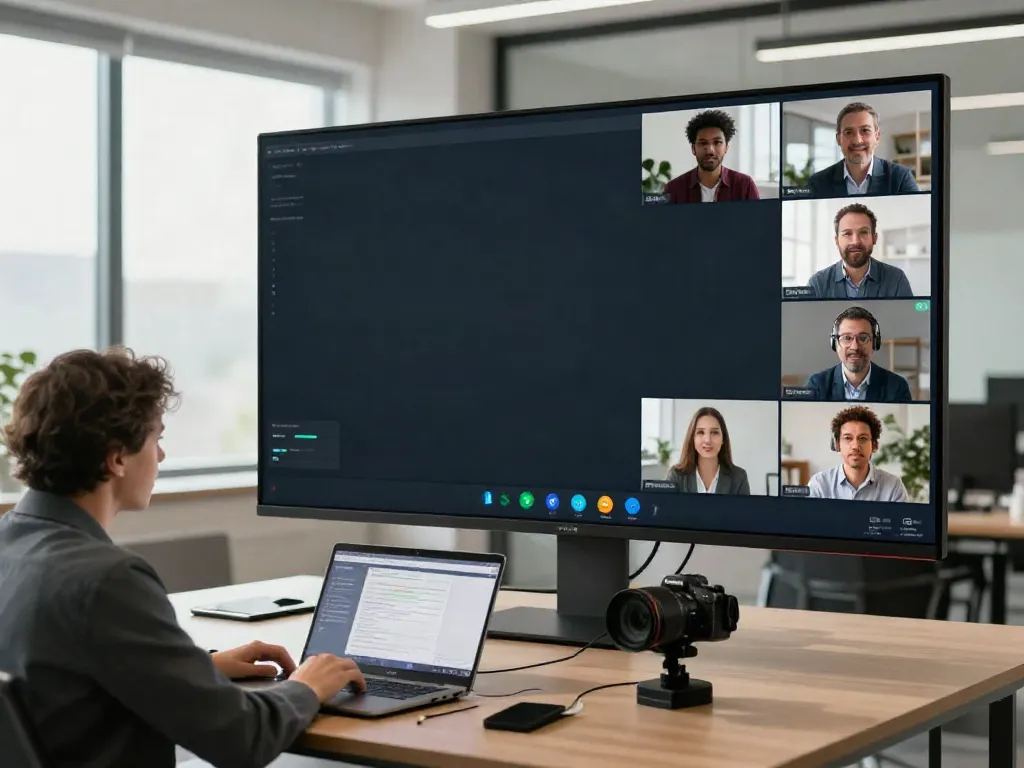
The advent of deepfake technology has marked a significant shift in the landscape of digital media, particularly as it applies to virtual communication. By utilizing artificial intelligence (AI) to create hyper-realistic alterations of video and audio, deepfakes can convincingly simulate real people. This capability presents both opportunities and challenges, particularly in contexts where authenticity and trust are paramount, such as virtual meetings. As organizations increasingly rely on digital platforms for collaboration, understanding the implications of deepfake technology becomes crucial for maintaining the integrity of these communications. Moreover, implementing deepfake free meetings is essential to safeguard sensitive information and protect stakeholder relationships.
What are Deepfakes?
Deepfakes are media—typically videos or audio recordings—that use deep learning techniques to create convincing alterations. These alterations can range from simple modifications, such as changing facial expressions or lip-syncing, to sophisticated impersonations that can effectively mimic a person's likeness or voice. The technology behind deepfakes leverages neural networks, particularly generative adversarial networks (GANs), which train on vast datasets to produce realistic outputs. As the technology improves, the lines between authentic and manipulated media become increasingly blurred, posing significant risks in various domains, including politics, entertainment, and business.
The Rise of Deepfake Usage in Meetings
The rise of remote work has inadvertently accelerated the use of deepfake technology in virtual meetings. Individuals with malicious intent can easily impersonate colleagues, manipulate discussions, or undermine the trustworthiness of the information being shared. For instance, a deepfake could be used to misrepresent a leader's decisions or opinions during a critical meeting, leading to misinformation and potentially damaging outcomes for organizations. As more platforms embrace video conferencing tools, the need to protect virtual meetings from deepfake intrusions becomes increasingly pressing.
Identifying Risks of Deepfake Attacks
Deepfake technology brings numerous risks to virtual meetings, including:
- Impersonation: Malicious actors can impersonate trusted individuals, leading to unauthorized access to sensitive discussions or information.
- Misinformation: Altered video or audio can distort the original message, creating confusion or spreading falsehoods within teams.
- Reputation Damage: Organizations that fall victim to deepfake attacks can suffer reputational harm, leading to lost business and diminished trust.
- Legal Implications: The use of deepfake technology can lead to legal issues, especially if the manipulated content is used for fraud or defamation.
Deepfake Free Meeting Solutions
To combat the risks associated with deepfake technology, several solutions have emerged to ensure that virtual meetings remain secure and trustworthy. Organizations must adopt a multi-faceted approach, encompassing technology, training, and best practices to create a comprehensive defense against deepfake threats.
Tools for Detecting Deepfakes in Real-Time
Real-time detection tools are integral to securing virtual meetings from deepfake threats. Solutions like Resemble AI and Truly employ advanced algorithms to analyze audio and video feeds for signs of manipulation. These tools work by identifying anomalies in the data, such as unnatural speech patterns or facial movements that deviate from expected behavior. Integrating such technologies into video conferencing platforms can help organizations maintain the integrity of their communications and build trust among participants.
Best Practices for Securing Virtual Meetings
In addition to employing detection tools, organizations can adopt several best practices to enhance the security of their virtual meetings:
- Verify Participants: Establish protocols for verifying participants before meetings, such as requiring multi-factor authentication or unique meeting codes.
- Record Meetings: Keep records of meetings to provide evidence if disputes or issues arise concerning the authenticity of conversations.
- Educate Employees: Conduct training sessions to raise awareness about deepfake technology and teach employees how to spot potential risks.
- Limit Sharing: Reduce the number of individuals who can share their screens or present during meetings to minimize the risk of manipulated content being shared.
Integrating Technology for Safe Communication
Implementing a suite of technologies designed to ensure safe communication can significantly bolster an organization's defenses against deepfake threats. Consider using platforms that incorporate AI-driven monitoring systems and real-time analytics, which can flag suspicious behavior during meetings. Additionally, integrating blockchain technology for data verification purposes can enhance transparency and authenticity in communications by providing an immutable record of information shared during virtual meetings.
Legal and Ethical Considerations
As deepfake technology continues to evolve, so too must our understanding of the legal and ethical frameworks surrounding its use. With its capacity to manipulate reality, deepfakes pose pressing questions that demand thorough exploration and regulation.
Understanding Legal Frameworks Around Deepfakes
Various jurisdictions have begun to institute legal frameworks aimed at mitigating the risks posed by deepfakes. Some states in the U.S. have enacted specific laws targeting the malicious use of deepfakes, especially regarding issues of consent and fraudulent activity. For instance, laws may require consent from individuals before their likeness can be used in manipulated media. Organizations need to stay informed about these legal developments to ensure compliance and protect themselves from potential liabilities.
Addressing Ethical Implications in Virtual Meetings
Beyond legal considerations, the ethical implications of using deepfake technology must also be carefully considered. Organizations should establish clear ethical guidelines that outline acceptable uses of deepfake technology and emphasize the importance of authenticity in communication. Creating a culture of transparency and integrity will help mitigate the risks associated with deepfake technology and foster trust within organizations and their stakeholders.
Industry Regulations for Deepfake Content
As deepfake technology becomes more pervasive, industry-specific regulations may emerge to govern its use. Industries such as finance, healthcare, and media may face heightened scrutiny due to the sensitive nature of their communications. Understanding and adhering to these regulations will be essential for organizations to navigate the complexities of using deepfake technology responsibly.
Case Studies on Deepfake Prevention
Exploring real-world examples of deepfake prevention can provide valuable insights into effective strategies that organizations can adopt to protect their virtual meetings.
Successful Implementation of Detection Tools
One notable case involves an international law firm that implemented AI-driven deepfake detection tools across its conferencing suite. After experiencing several close calls with compromised meetings, the firm adopted advanced technology that flagged suspicious audio and video in real time. This proactive approach not only safeguarded sensitive client discussions but also instilled confidence among stakeholders regarding the firm’s commitment to security.
Real-World Examples of Deepfake Interventions
Another example is a technology company that faced an attempted deepfake attack during a high-stakes product launch meeting. By integrating real-time monitoring tools and establishing strict participant verification protocols, the company was able to prevent unauthorized individuals from joining the meeting and disseminating manipulated information. This incident highlighted the importance of vigilance and preparation in protecting virtual communications from deepfake threats.
Lessons Learned: Analyzing Failures
While many organizations successfully combat deepfake threats, others have encountered failures that provide crucial learning opportunities. For instance, a non-profit organization fell victim to a deepfake impersonation that misrepresented its CEO during a fundraising campaign. The incident underscored the need for robust detection mechanisms and comprehensive employee training to recognize and respond to potential threats before they escalate.
Future Trends in Deepfake Free Meetings
As we look towards the future, understanding the trends that will shape the landscape of virtual meetings is essential for organizations aiming to create deepfake free environments.
Emerging Technologies That Will Shape 2026
Advancements in AI and machine learning will continue to enhance the capabilities of detection tools, allowing for faster and more accurate identification of deepfakes. Additionally, innovations in cryptography may provide new methods for ensuring data integrity and authenticity in virtual communications. Organizations will benefit from staying attuned to these technological advancements to enhance their security frameworks.
Predicted Challenges Ahead for Virtual Security
Despite technological advancements, challenges will persist in the realm of virtual security. The democratization of deepfake technology means that malicious actors will become increasingly sophisticated in their tactics. Organizations must remain vigilant, regularly updating their security protocols to adapt to new threats and ensure their defenses are robust.
Preparing for the Next Generation of Deepfake Risks
Preparing for the future of deepfake risks will involve continuous learning and adaptation. Organizations should invest in ongoing training for employees, emphasizing the importance of cybersecurity awareness and best practices. By cultivating a culture of vigilance and investing in cutting-edge technology, organizations can better position themselves to navigate the evolving landscape of deepfake technologies and safeguard their virtual meetings in the years ahead.
What are deepfake free meetings?
Deepfake free meetings refer to virtual communications that employ robust security measures to prevent the manipulation and unauthorized alteration of audio and video content. These meetings utilize advanced detection tools, participant verification protocols, and best practices to maintain the authenticity of the information shared.
How can I secure my virtual meetings against deepfakes?
Securing virtual meetings against deepfakes involves implementing real-time detection tools, establishing participant verification processes, and educating employees about the potential risks associated with deepfakes. Furthermore, organizations should maintain a culture of transparency and integrity to enhance trust during virtual communications.
What technologies help in detecting deepfakes during meetings?
Several technologies are effective in detecting deepfakes during meetings, including AI-driven monitoring systems and algorithms that analyze audio and video feeds for signs of manipulation. Tools such as Resemble AI and Truly are examples of solutions that provide real-time detection capabilities to counter deepfake risks.
Are there legal implications for deepfake usage in meetings?
Yes, there are legal implications surrounding deepfake usage in meetings, particularly regarding issues of fraud, consent, and intellectual property rights. Organizations should stay informed about the evolving legal landscape and ensure compliance with relevant regulations to mitigate potential liabilities.
What future developments should I be aware of for virtual security?
Staying abreast of future developments in virtual security includes monitoring advancements in AI technologies for deepfake detection, emerging regulations governing the use of manipulated media, and evolving best practices for securing virtual communications. Being proactive in adapting to these developments will be crucial for organizations aiming to maintain secure virtual environments.