Understanding glow 70mg peptide: The Basics
The glow 70mg peptide is an innovative blend aimed at enhancing research in cellular regeneration and skin health. This peptide formulation has gained traction among researchers exploring its significant benefits in healing and therapeutic applications. Understanding the fundamental aspects of this peptide can help researchers utilize it effectively in their studies, paving the way for breakthroughs in regenerative medicine and dermatological treatments.
What is glow 70mg peptide?
Glow 70mg peptide is a sophisticated blend of three well-researched peptides: GHK-Cu (Copper Tripeptide-1), BPC-157 (Body Protection Compound-157), and TB-500 (Thymosin Beta-4). Each of these peptides has distinct properties that synergistically contribute to enhanced healing and cellular regeneration. GHK-Cu is renowned for its role in promoting collagen synthesis and tissue repair, while BPC-157 and TB-500 are critical in facilitating wound healing and reducing inflammation.
Key components of glow 70mg peptide
The three peptides that form the core of the glow 70mg formulation are:
- GHK-Cu: A copper peptide known for its ability to stimulate collagen production, enhance skin elasticity, and support tissue repair.
- BPC-157: A peptide derived from human gastric juice, recognized for its powerful healing properties, particularly in musculoskeletal injuries.
- TB-500: A peptide that promotes cell migration and angiogenesis, thereby playing a critical role in tissue regeneration.
How glow 70mg peptide works in research
Research has shown that glow 70mg peptide exhibits a multifaceted approach to healing. By combining these peptides, researchers are able to observe enhanced healing rates and improved collagen and elastin formation. The composite action of these peptides allows researchers to explore various avenues in regenerative science, particularly in skin and soft tissue healing.
Benefits of glow 70mg peptide in Scientific Research
The implications of the glow 70mg peptide in scientific research extend far beyond mere healing. Its combination of peptides offers a range of benefits that researchers and practitioners can leverage in various studies.
Enhanced healing and regeneration
One of the primary benefits of the glow 70mg peptide is its capacity for enhanced healing and regeneration. Studies suggest that the synergistic effect of GHK-Cu, BPC-157, and TB-500 accelerates the body's natural healing processes, making it a valuable asset in research focused on injury repair and tissue regeneration. This characteristic is especially valuable for explorations in sports medicine and rehabilitation.
Effects on collagen synthesis
Collagen is crucial for skin integrity, and the glow 70mg peptide significantly influences collagen production. GHK-Cu specifically enhances fibroblast activity—cells responsible for collagen synthesis—therefore improving skin texture and elasticity over time. Researchers focusing on dermatological applications of peptides can derive significant insights from this aspect of the glow peptide.
Applications in cellular studies
In cellular studies, the glow 70mg peptide serves as a powerful tool for observing cellular processes. Its capability to promote cell migration and proliferation aids in the understanding of various cellular mechanisms involved in healing. This makes it relevant not only for skin research but also for studies on muscle and connective tissue health.
How to Properly Use glow 70mg peptide
Using glow 70mg peptide correctly is essential to maximize its potential benefits in research. Here are the recommended practices for effective use.
Recommended dosage and administration
For optimal results, the recommended dosage of glow 70mg peptide is typically 3 mg per day, which can be administered via subcutaneous injection. Depending on the specific research protocol, this can be adjusted, but adherence to this dosage ensures consistent outcomes. Researchers must maintain accurate logs of administration to monitor response and effects.
Preparing for your peptide experiment
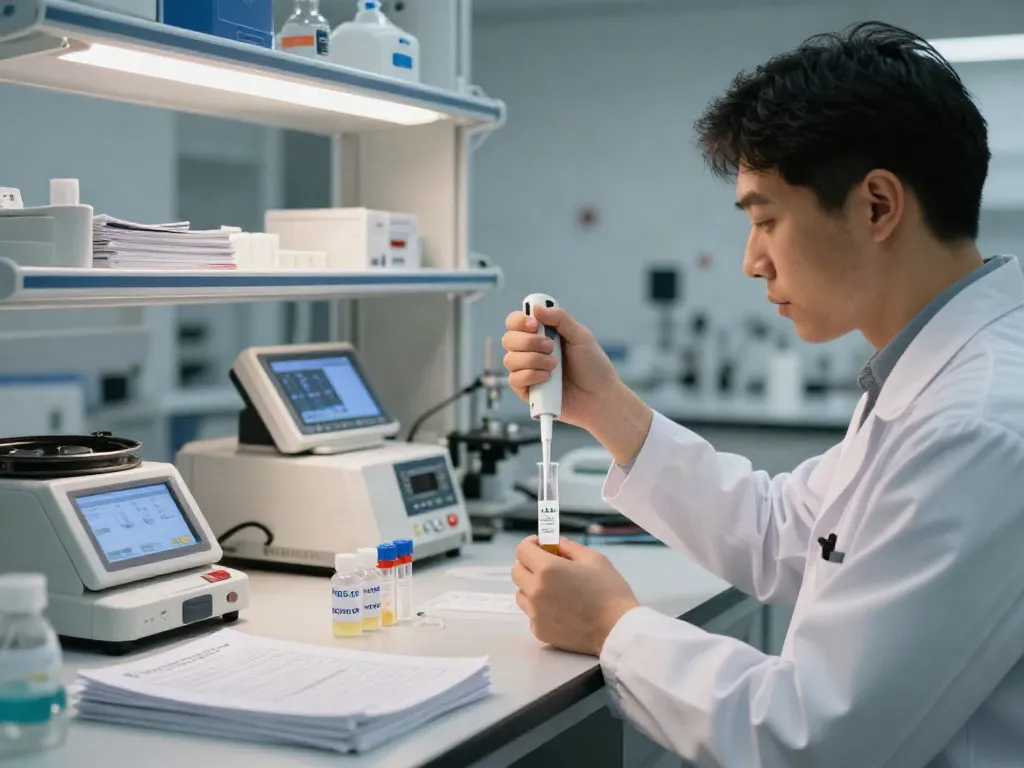
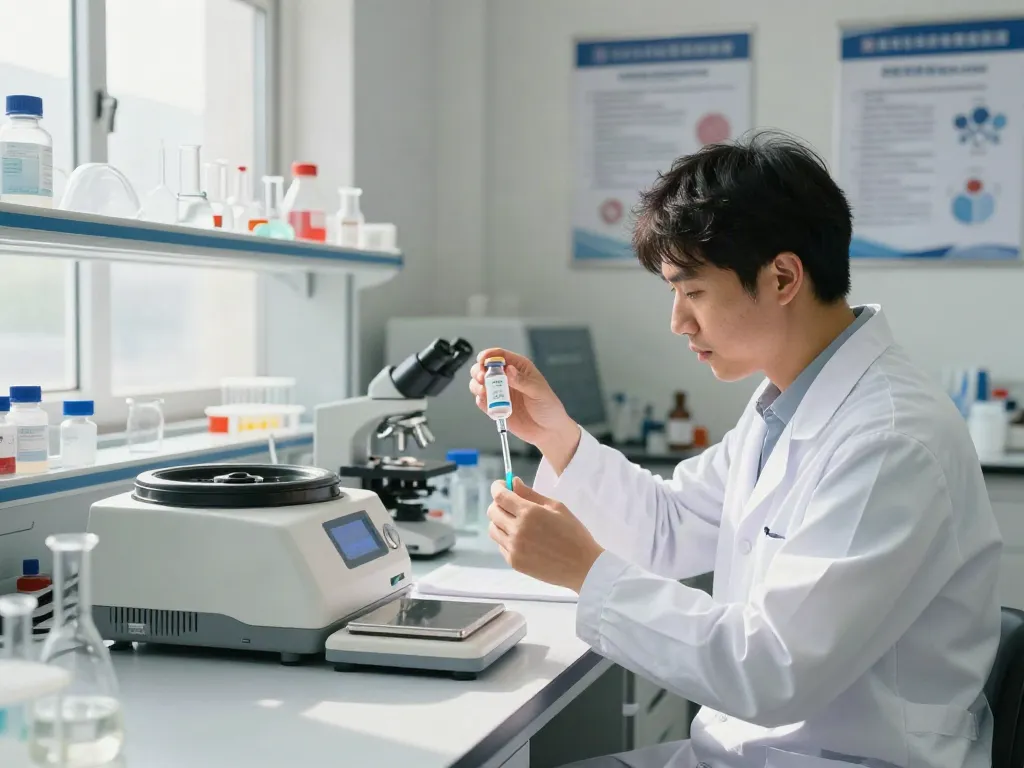
Before initiating an experiment involving glow 70mg peptide, preparation is key. Researchers should ensure they have sterilized equipment and adhere to safety guidelines while handling peptides. Proper reconstitution—adding the correct amount of bacteriostatic water to the vial—is crucial for the integrity of the peptide solution.
Common mistakes to avoid
Some common pitfalls that researchers should avoid include:
- Incorrect dosage measurements, which can lead to ineffective results.
- Failing to maintain sterile conditions while preparing and administering the peptide.
- Neglecting to adhere to the prescribed administration schedule, which can affect therapeutic outcomes.
Real-World Applications of glow 70mg peptide
The glow 70mg peptide is not just theoretical; it has real-world applications that illustrate its efficacy and versatility in research.
Case studies showcasing effectiveness
Numerous case studies highlight the positive impact of glow 70mg peptide on healing processes. For instance, clinical observations indicate that patients recovering from surgical procedures reported faster healing times and reduced scarring when treated with a regimen that included the glow peptide blend.
Testimonials from researchers
Researchers utilizing glow 70mg peptide have shared testimonials regarding its effectiveness. Many report enhanced cellular response and recovery rates in trial subjects, supporting its role as a critical component in innovation for regenerative therapies.
Comparing results with other peptides
When compared to other peptide blends, the glow 70mg peptide often outperforms in terms of healing efficacy and cellular regeneration. The distinctive combination of GHK-Cu, BPC-157, and TB-500 provides a unique advantage, making it a point of interest in studies assessing alternative peptide therapies.
Future Trends in Peptide Research for 2026 and Beyond
As we look to the future, several trends are emerging in peptide research that may shape the landscape for glow 70mg peptide and its applications.
Emerging research techniques
In the coming years, advanced research techniques—including CRISPR gene editing and high-throughput screening—are likely to be integrated into peptide studies. Such methodologies could enhance our understanding of how peptides like glow 70mg influence cellular behavior at the genomic level.
Regulatory changes affecting peptide use
Regulatory frameworks surrounding peptide research are evolving. As interest in peptides grows, we may see new guidelines that encourage innovation while ensuring safety and efficacy. Researchers must remain abreast of these changes to align their studies with compliance mandates.
Technological advancements enhancing peptide efficacy
Technological advancements in drug delivery systems are also anticipated. More efficient delivery methods—such as nanoparticles—may improve the bioavailability of peptides like glow 70mg, maximizing its therapeutic potential.
What makes glow 70mg peptide a game changer?
The transformative nature of the glow 70mg peptide lies in its comprehensive approach to promoting healing and regeneration. By combining several peptides into one effective formulation, it represents a significant advancement in peptide therapy, appealing to researchers and clinicians alike.
What does the glow 70 peptide do?
The glow 70 peptide plays a multifaceted role in healing and regeneration. It enhances collagen synthesis, reduces inflammation, and facilitates tissue repair, making it applicable across multiple domains of research.
How long will 70 mg of glow peptide last?
A vial containing 70 mg of glow peptide can typically provide 25 doses, lasting up to 28 days if stored properly under refrigerated conditions. Proper handling is essential to maintain its stability and effectiveness.
How much glow peptide to inject daily?
Generally, the recommended daily injection is around 3 mg. However, specific dosing may vary based on individual research protocols and objectives.
What is the price of 70mg of Glow peptide?
The price of glow 70mg peptide varies by supplier, but it generally falls within an affordable range for research-grade peptides, making it accessible for most laboratory settings.